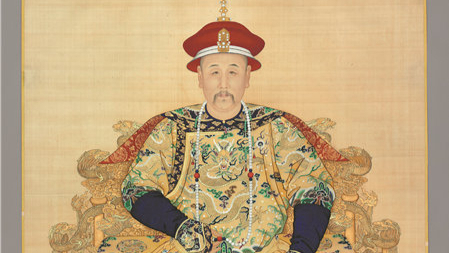
Emperor Yongzheng
Overview
Emperor Yongzheng (1678-1735) was the fifth emperor of the Qing Dynasty (1644-1911), reigning from 1723 to 1735. Known for his austere personality and administrative efficiency, Yongzheng's reign was marked by efforts to consolidate imperial power, reform government finances, and strengthen the central authority of the Qing state. He was the son of Emperor Kangxi and the father of Emperor Qianlong, both of whom were prominent figures in Chinese history. Yongzheng himself is recognized for his contributions to maintaining the stability and prosperity of China during his reign.
Early Life and Ascension
Born as Yinzhen, Yongzheng was the fourth son of Emperor Kangxi . He grew up in the imperial court and received a thorough education in Confucian classics, administration, and martial arts. His upbringing prepared him for the complexities of governance and the challenges of ruling a vast empire. After a contentious succession dispute following Kangxi's death, Yongzheng ascended the throne in 1723.
Administrative Reforms
Yongzheng is noted for implementing significant reforms to improve the efficiency and integrity of the Qing administration. Recognizing the need for a more centralized and controlled bureaucracy, he strengthened the imperial examination system and introduced regulations to curb corruption among officials. Yongzheng's reforms aimed at creating a meritocratic government with loyal and competent officials who could effectively manage the affairs of the state.
Additionally, Yongzheng focused on improving the financial situation of the empire. He introduced measures to increase state revenue, such as the modification of tax policies and the promotion of agricultural production. By addressing fiscal deficits and ensuring a steady income for the state, Yongzheng ensured the continued stability and prosperity of the Qing Dynasty.
Tailing: The Yongzheng Emperor's Mausoleum
The Yongzheng Emperor was laid to rest in Tailing, or the Tai Mausoleum, located within the Western Qing Tombs in Yixian county, Baoding city, Hebei province. Built in 1730, Tailing is known as the earliest and largest tomb among the Western Qing Tombs. This mausoleum reflects the Qing Dynasty's architectural style and the traditional Chinese belief that humans are an integral part of nature. Tailing is considered a site of cultural and historical significance, offering insights into the burial practices and imperial traditions of the Qing Dynasty.
The Western Qing Tombs, where Tailing is situated, serve as the final resting place for several Qing emperors, including the Jiaqing, Daoguang, and Guangxu emperors, along with their families. The site's inclusion in the UNESCO World Heritage list in 2000 underscores its importance as one of China's best-preserved ancient royal mausoleums.
Contributions to Chinese Porcelain
The Yongzheng reign is notable for advancements in Chinese porcelain, particularly the refinement of Famille Rose porcelain, which gained popularity during this period. This distinct style of porcelain, characterized by its delicate translucence and vibrant pastel colors, was influenced by European techniques introduced by Jesuit missionaries. The blend of Western and Chinese craftsmanship created exquisite porcelain pieces that were highly sought after by collectors and connoisseurs.
Yongzheng's support for the porcelain industry contributed to the thriving art and culture of the Qing Dynasty, solidifying China's reputation as a center of fine porcelain production. His era's porcelain works are recognized for their intricate designs and exceptional quality, showcasing the fusion of Eastern and Western artistic traditions. Article reference1. Interpreting art in a different light. chinadaily.com.cn. 20242. Exotic Qing court painting: Western brushstrokes depicting Eastern charm. chinadaily.com.cn. 2024Photo Gallery(8 pictures)CategoriesHistoryTagAncient Chinese HistoryHistorical FiguresRelatedYuanmingyuan Park (Old Summer Palace)Western Qing Tombs, Hebei provinceScarlet Heart (TV Drama)Lama Temple in BeijingCatalogue1. Overview2. Early Life and Ascension3. Administrative Reforms4. Tailing: The Yongzheng Emperor's Mausoleum5. Contributions to Chinese Porcelain- - - []








